Mehndi is basically created on the front and back sides of the hand, but here we have to discuss the front hand since it is the center of attention for people when someone glances at the wearer. The front hand design of mehndi signifies the personality and preference of the person. The front side is considered the prosperity and fortune of life, symbolizing joy, happiness, and beauty. Some designs incorporate contemporary trends and traditions, catering to events such as weddings, casual gatherings, and festivals.
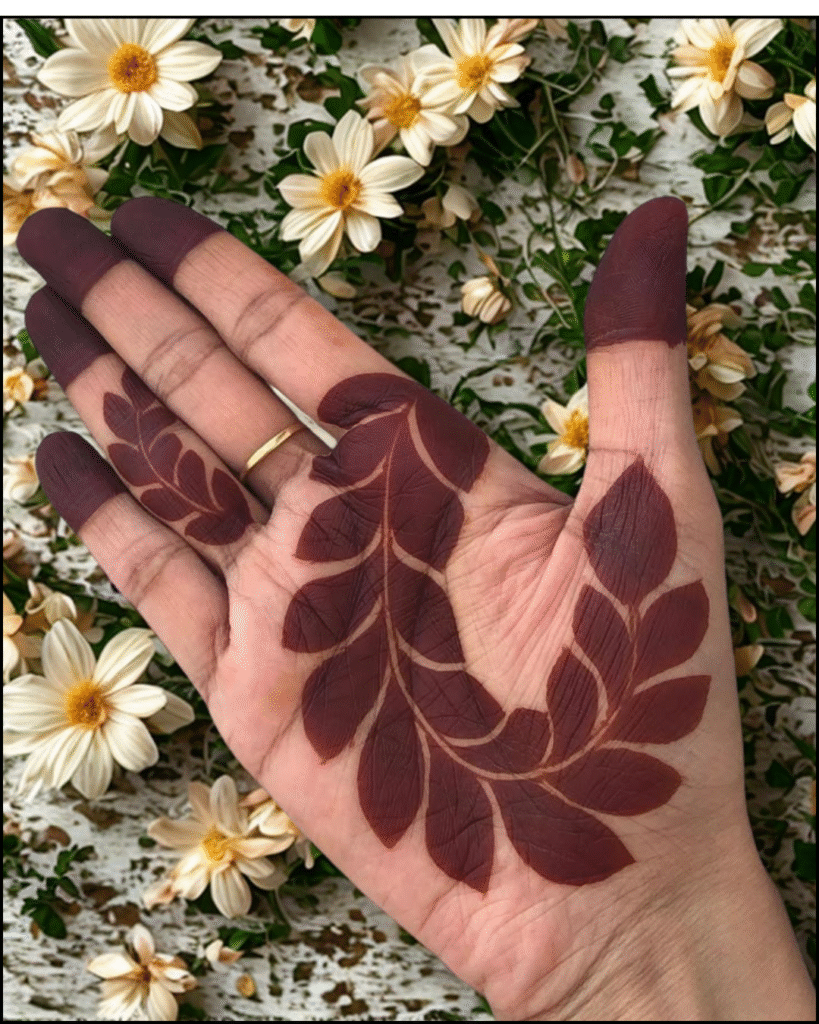
Minimalist Mehndi Design
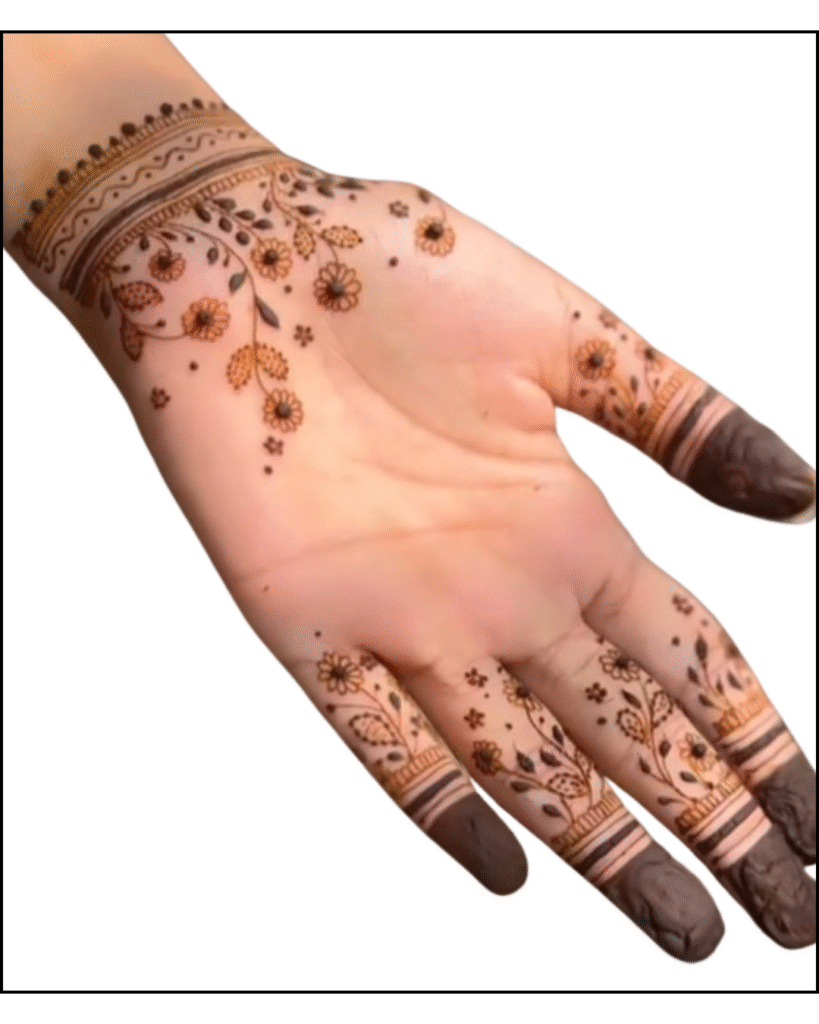
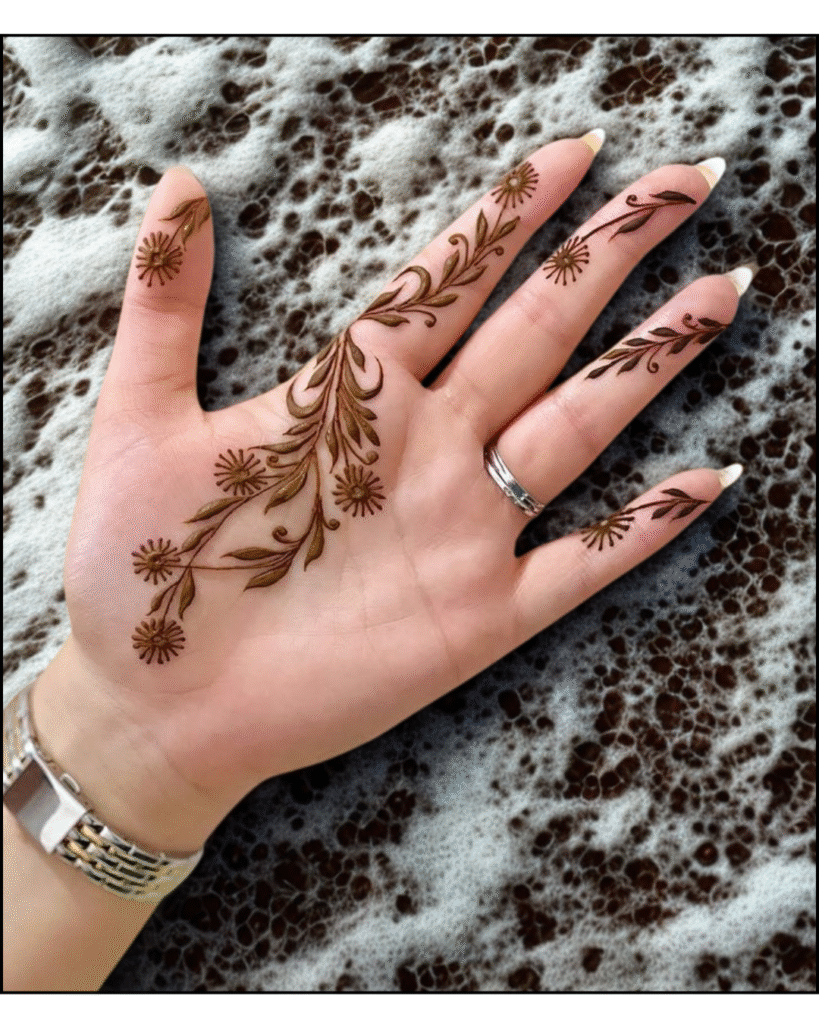
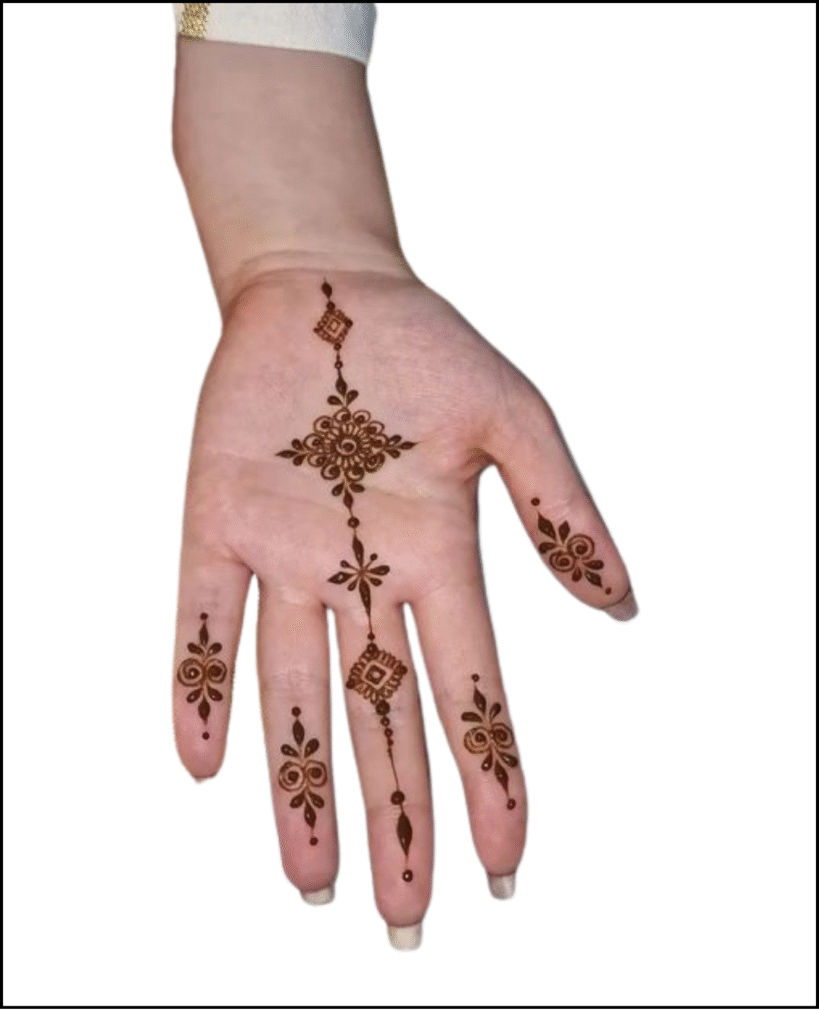
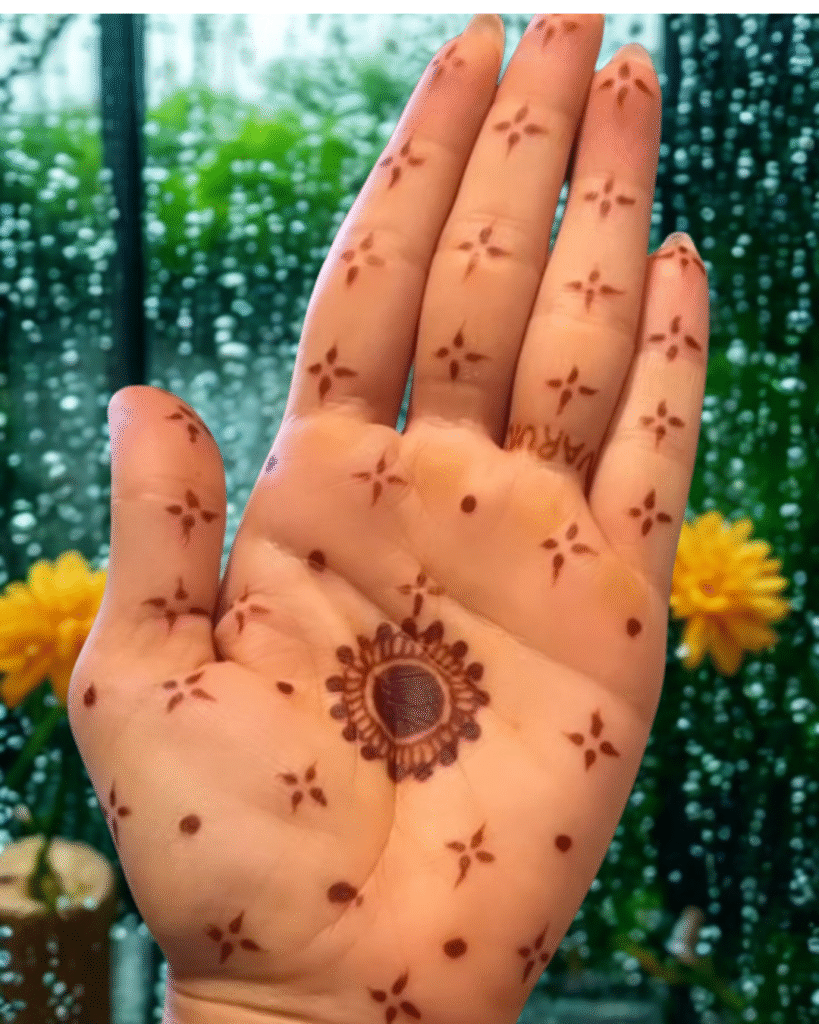
The minimalist design keeps the pattern simple and intentionally focused away from complexity. To convey a sense of beauty, the design maintains sparse patterns and geometric precision while ensuring that the placement enhances its aesthetic appeal. The elements of minimalistic designs are sparse detailing, thin lines, pattern motifs like peacocks, negative spaces, and asymmetry. This style is versatile for brides, providing a subtle look.
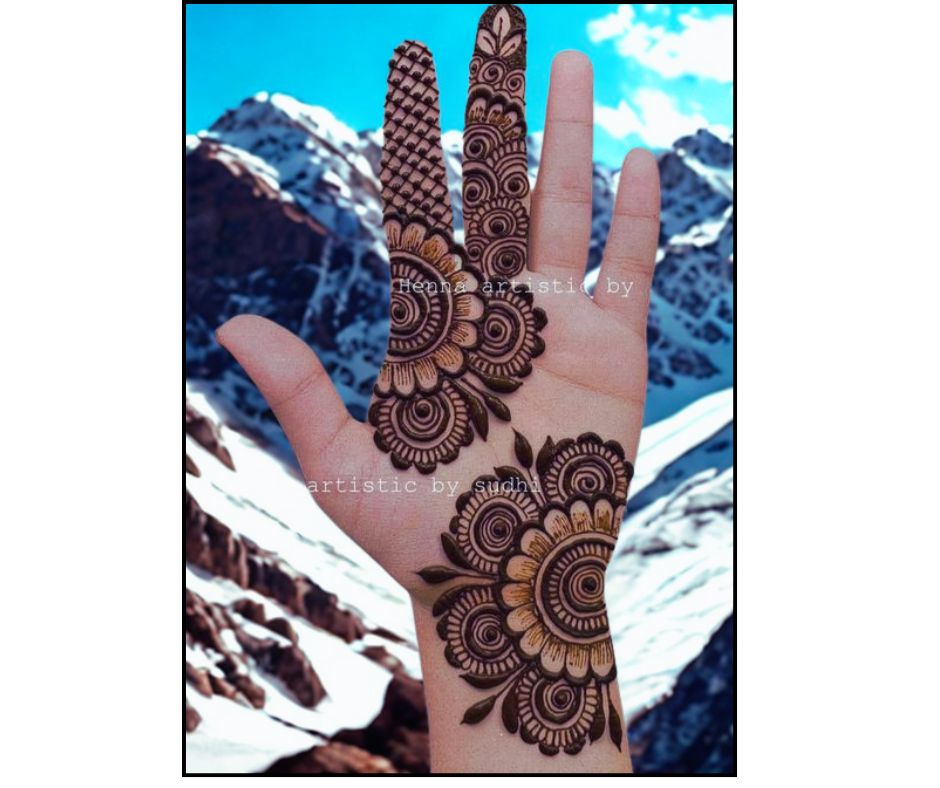
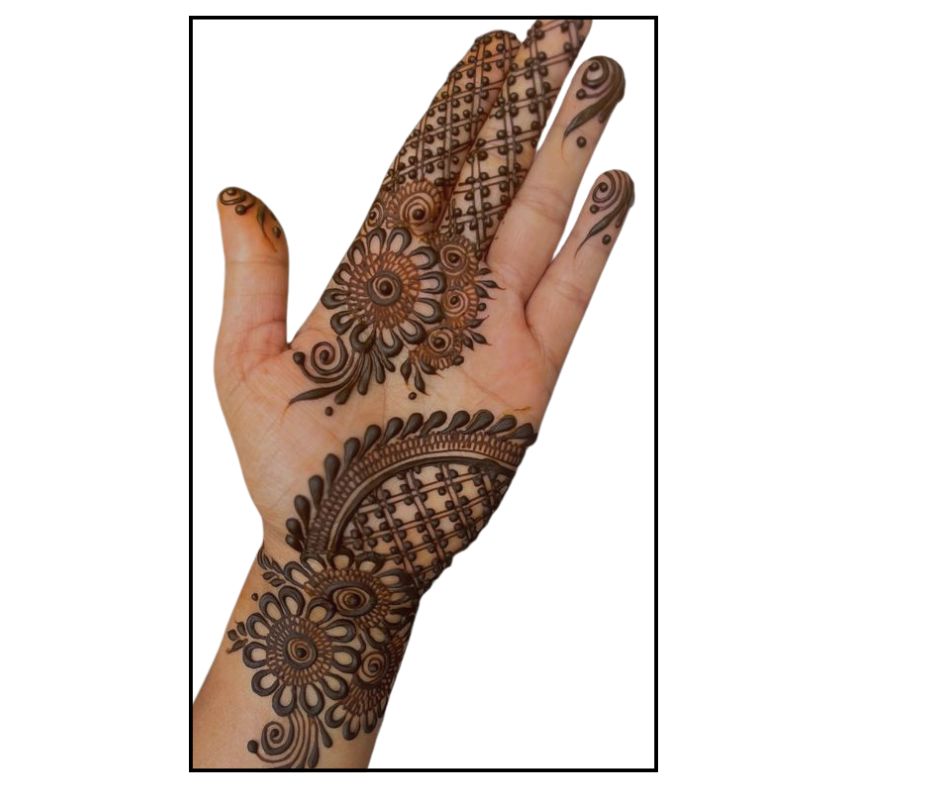
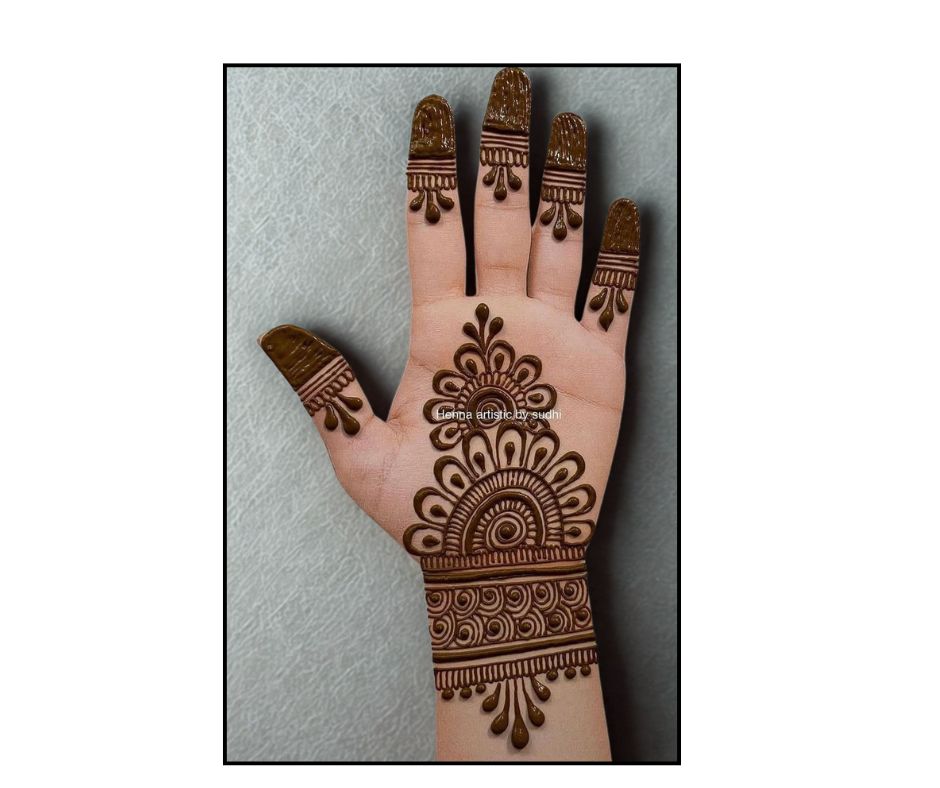
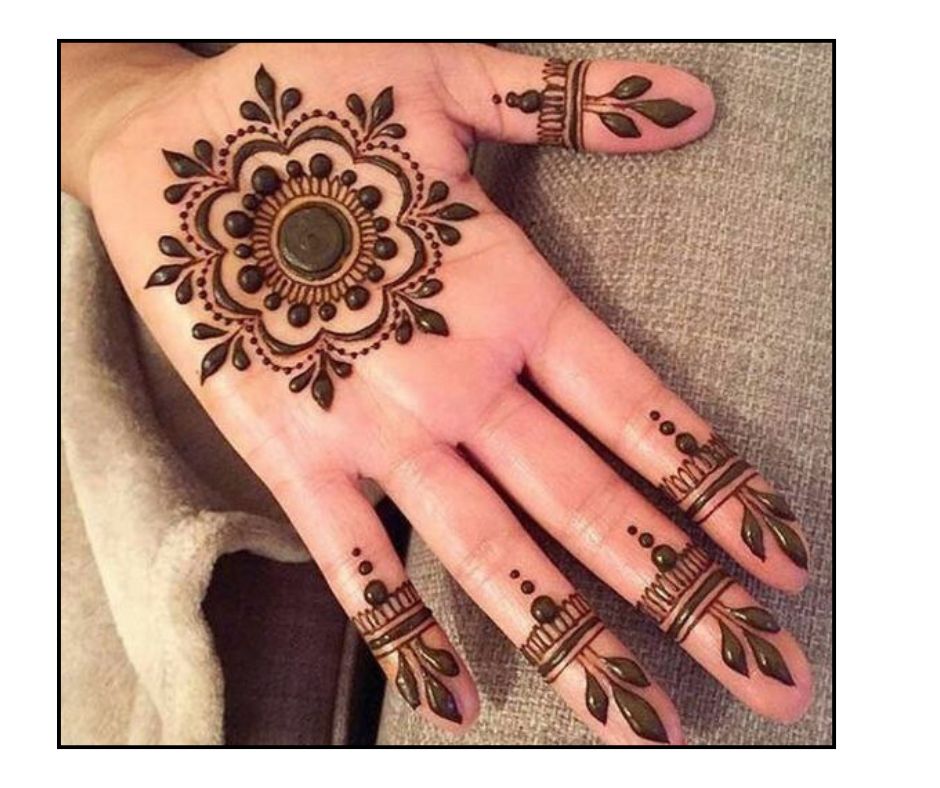
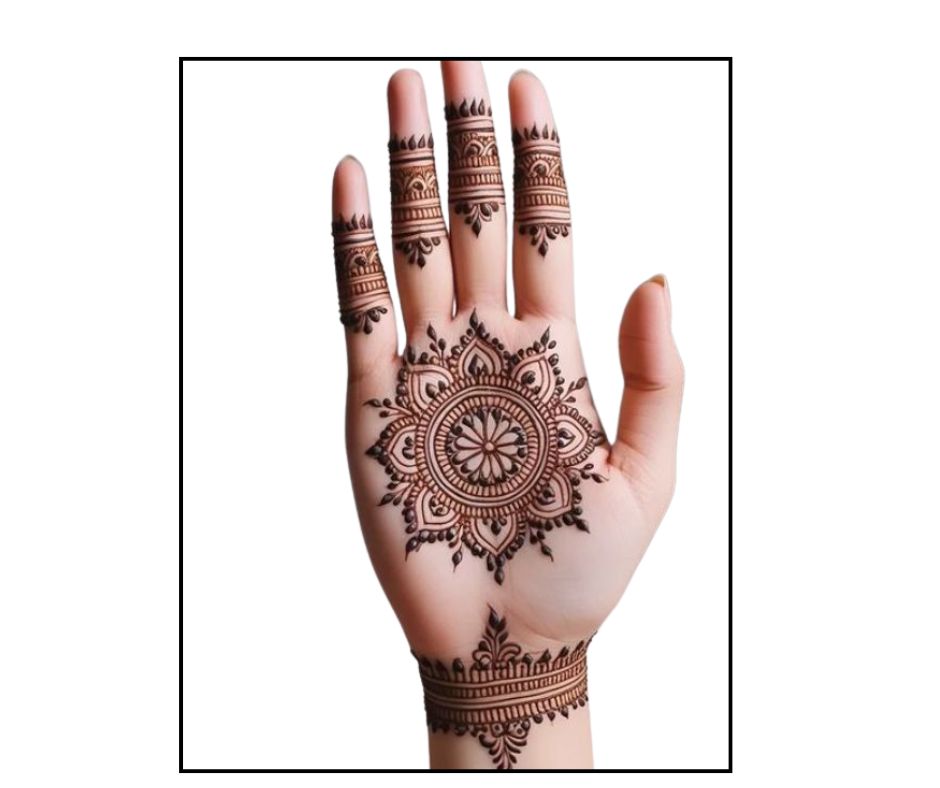
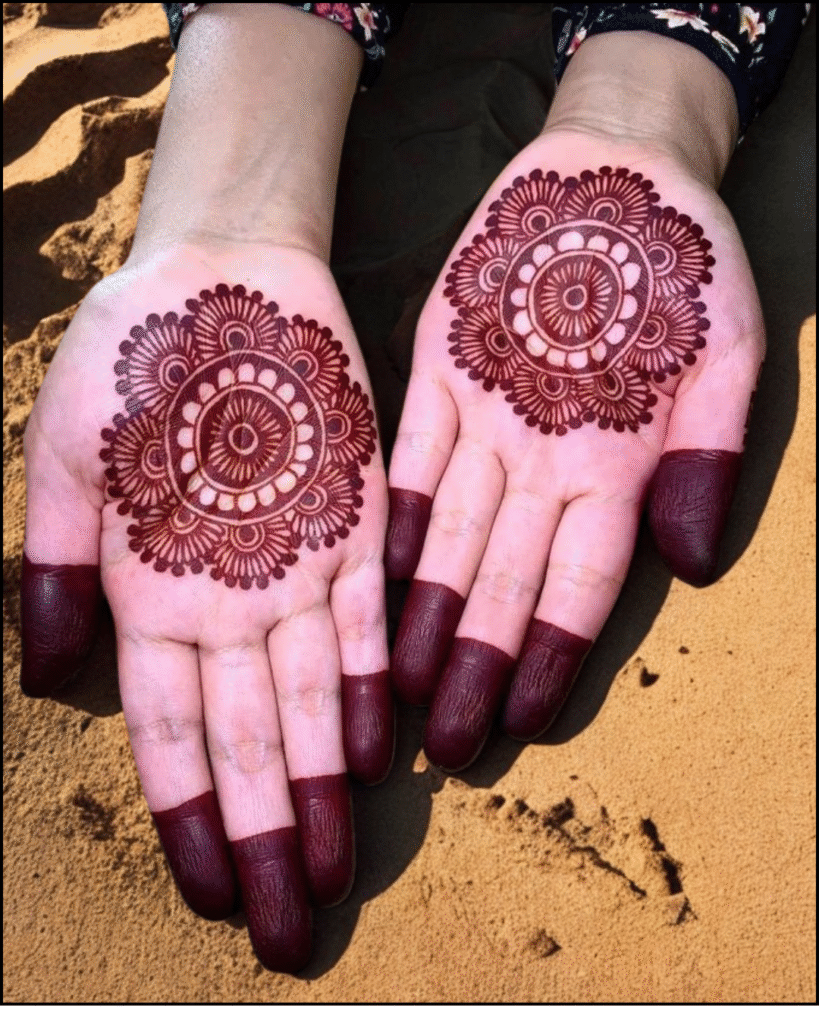
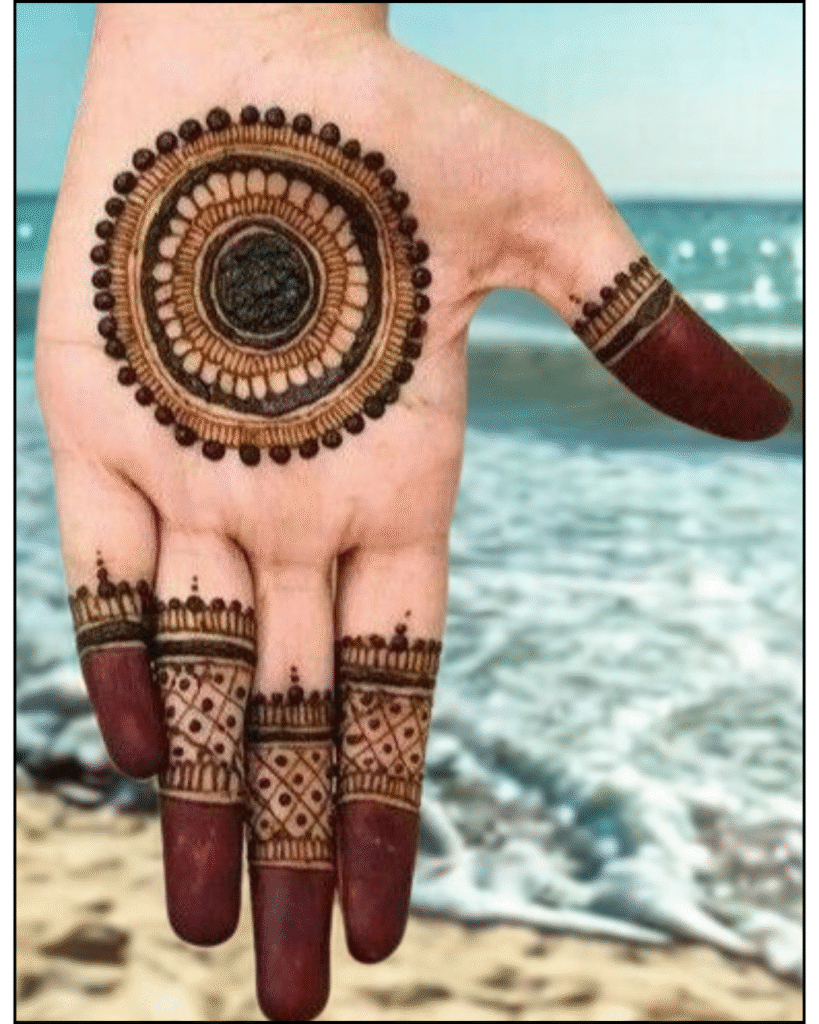
Front Hand Mandala Mehndi Design
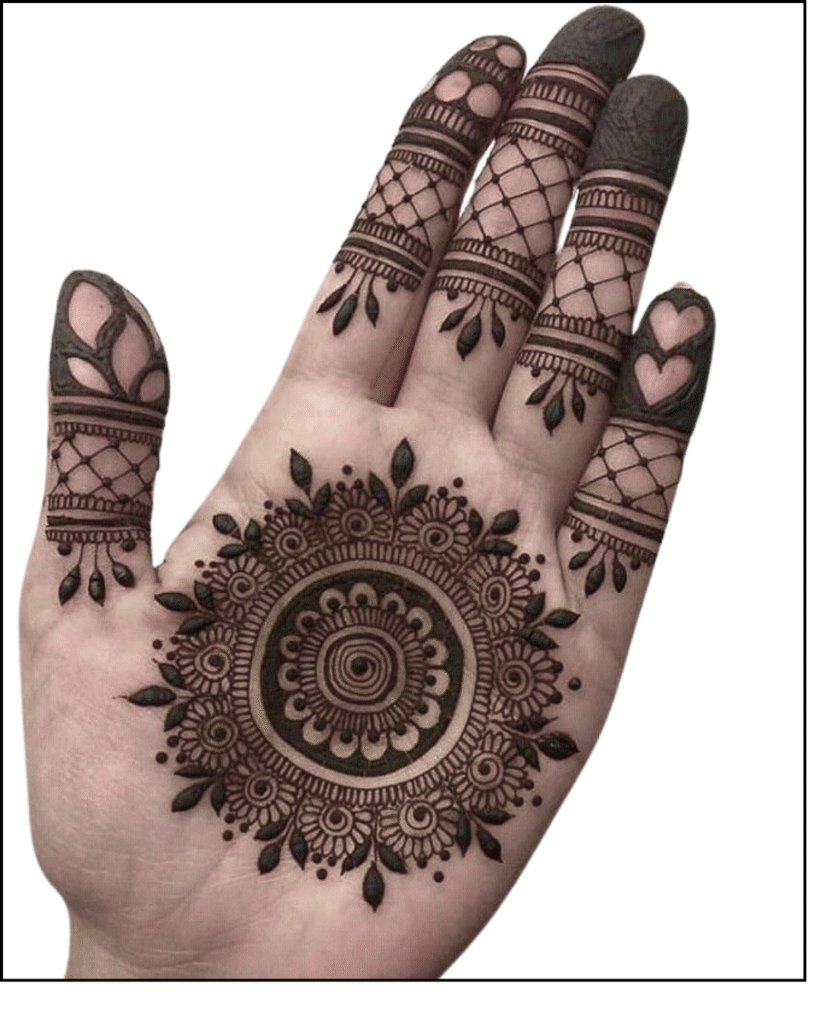
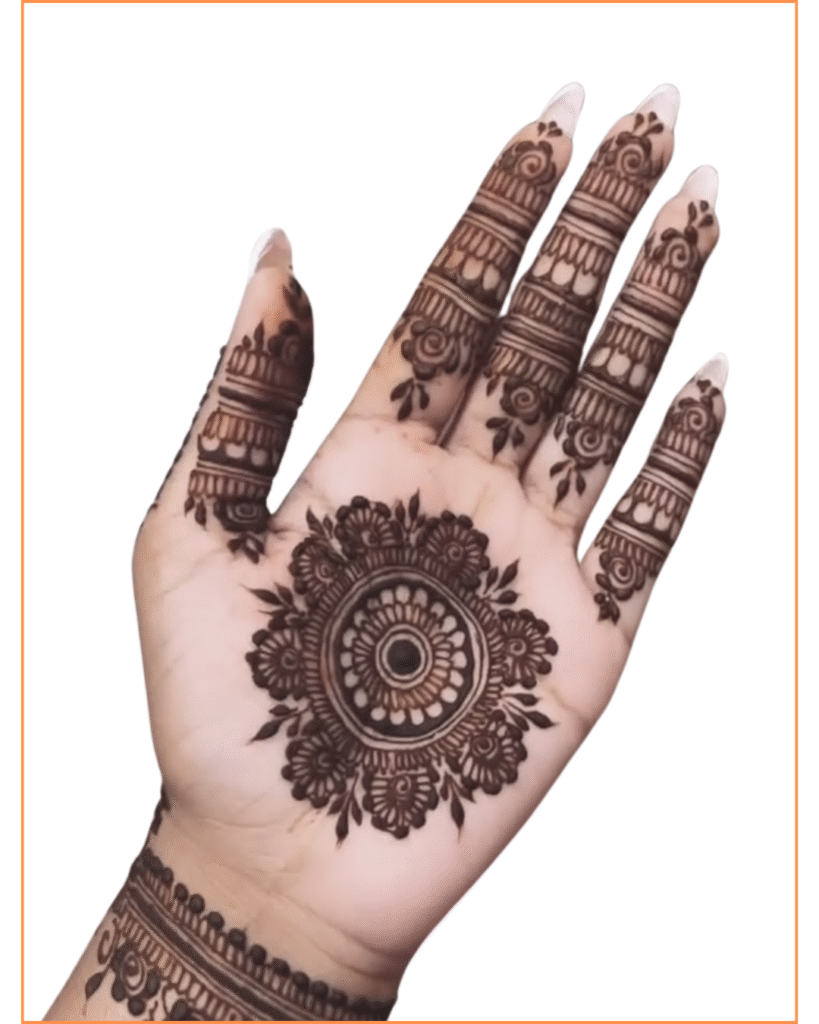
In the world of henna art, mandala art is gaining attention due to its simplicity and intricate patterns that symbolize profound cultural significance. Hindu and Buddhist cultures, in particular, use patterns as motifs to symbolize spirituality, and the mandala design embodies wholeness and the cyclical nature of life. Such a symmetrical and geometrical pattern shows the body of beauty and harmony.
Recently, social media has played a vital role in contemporary mandala mehndi trends by showcasing alluring designs that are both aesthetic and captivating. It requires mindfulness, such as a moment of pause, breath, and engagement in creativity.
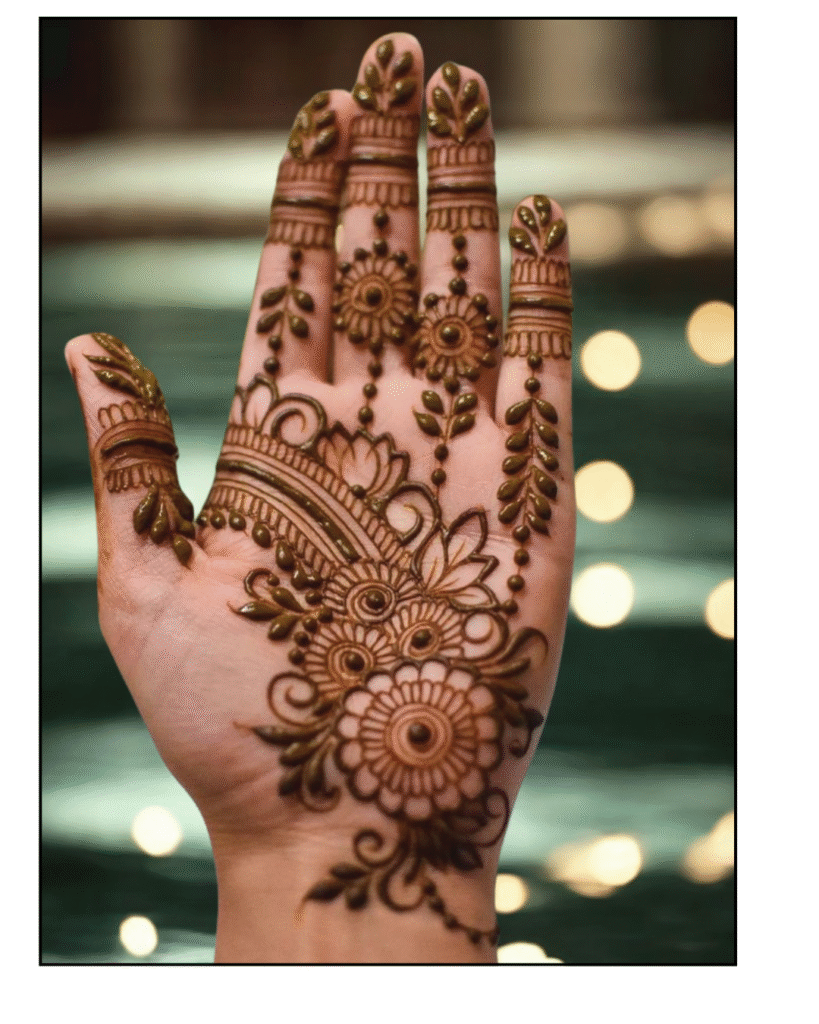
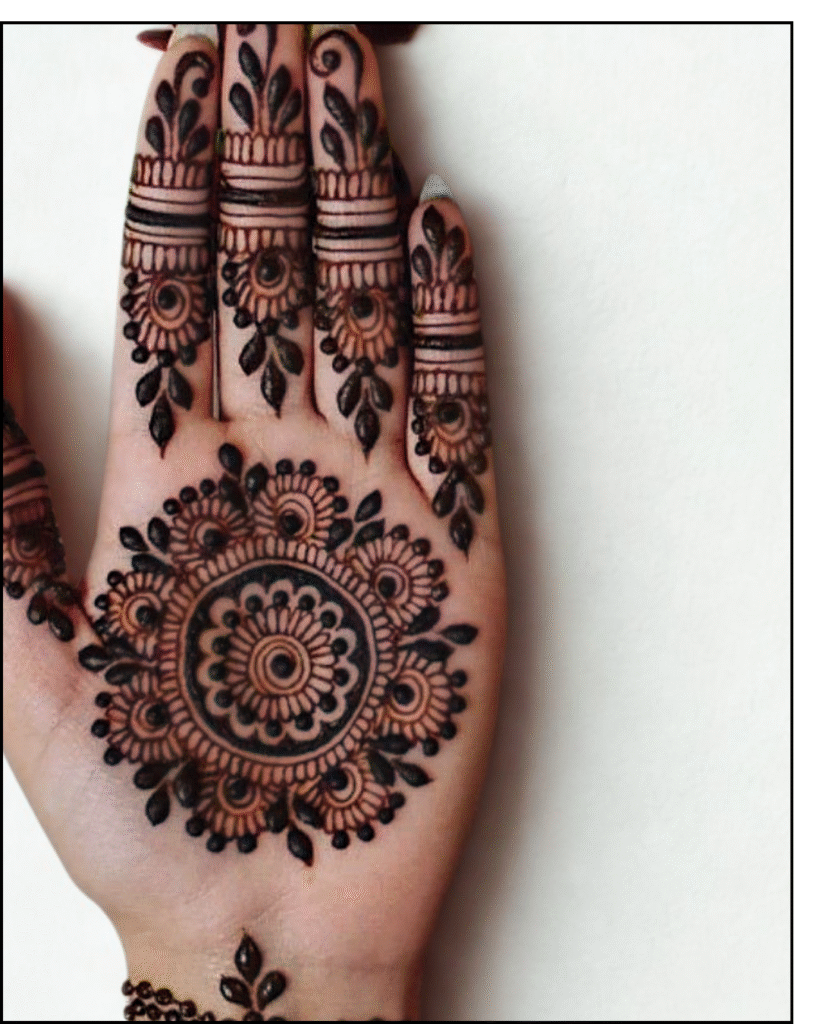
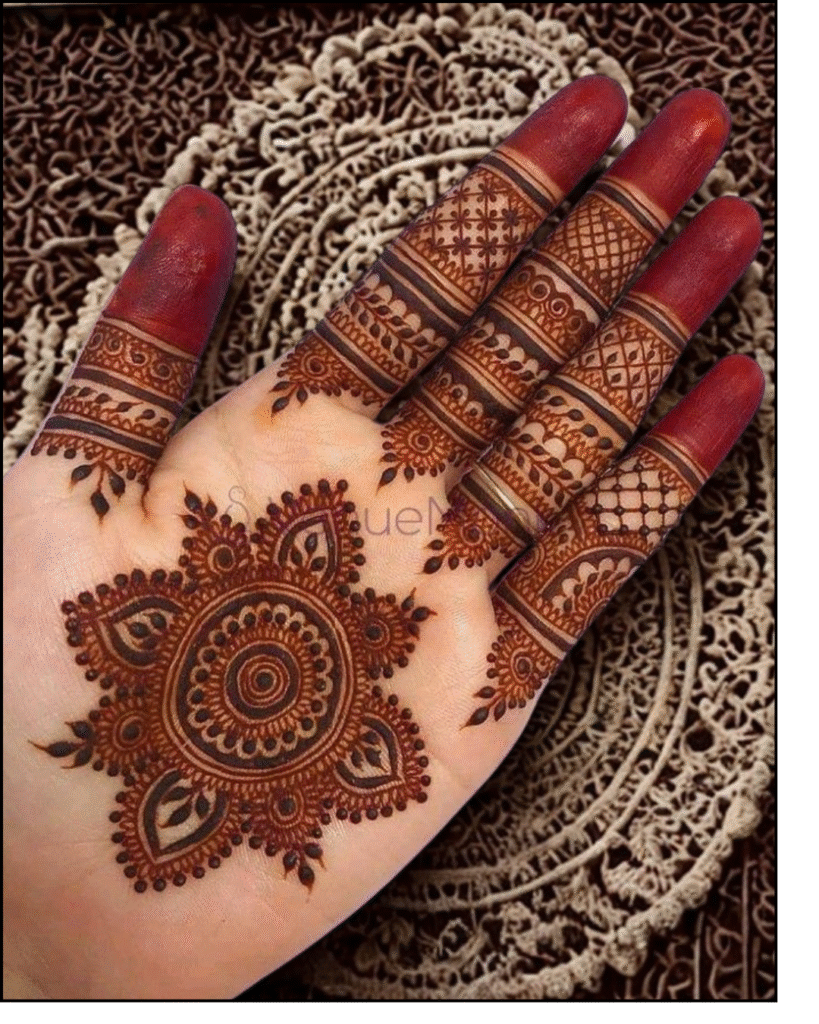
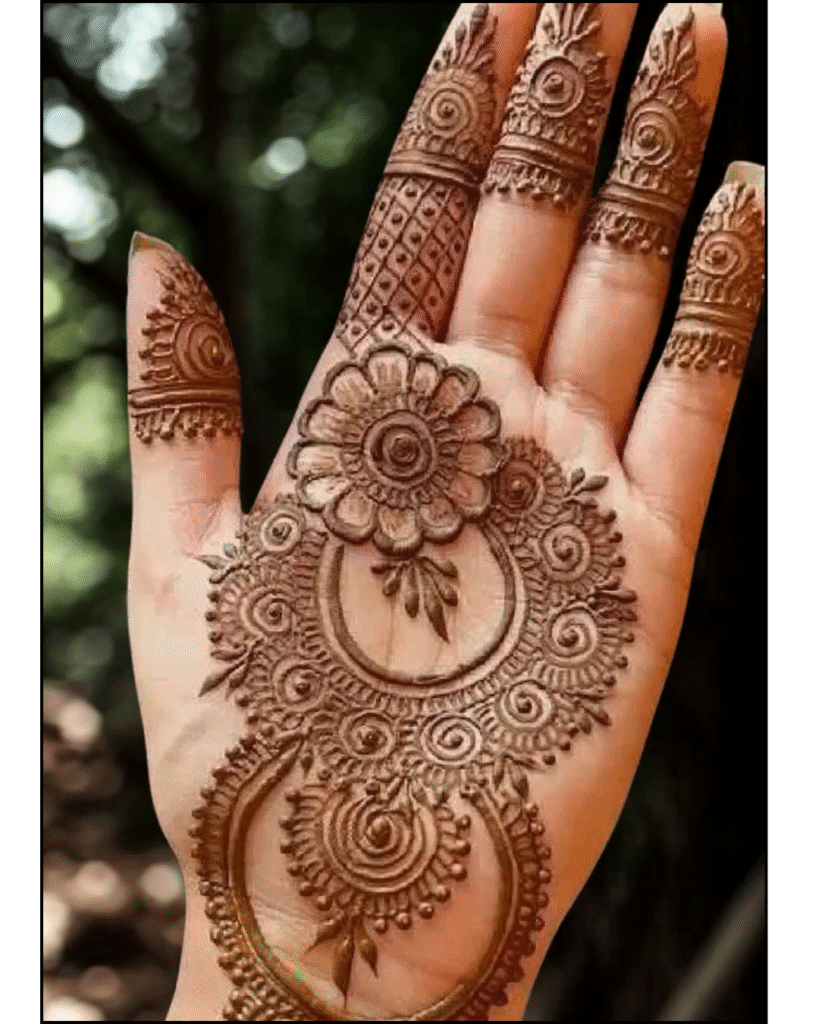
Arabic Mehndi Design
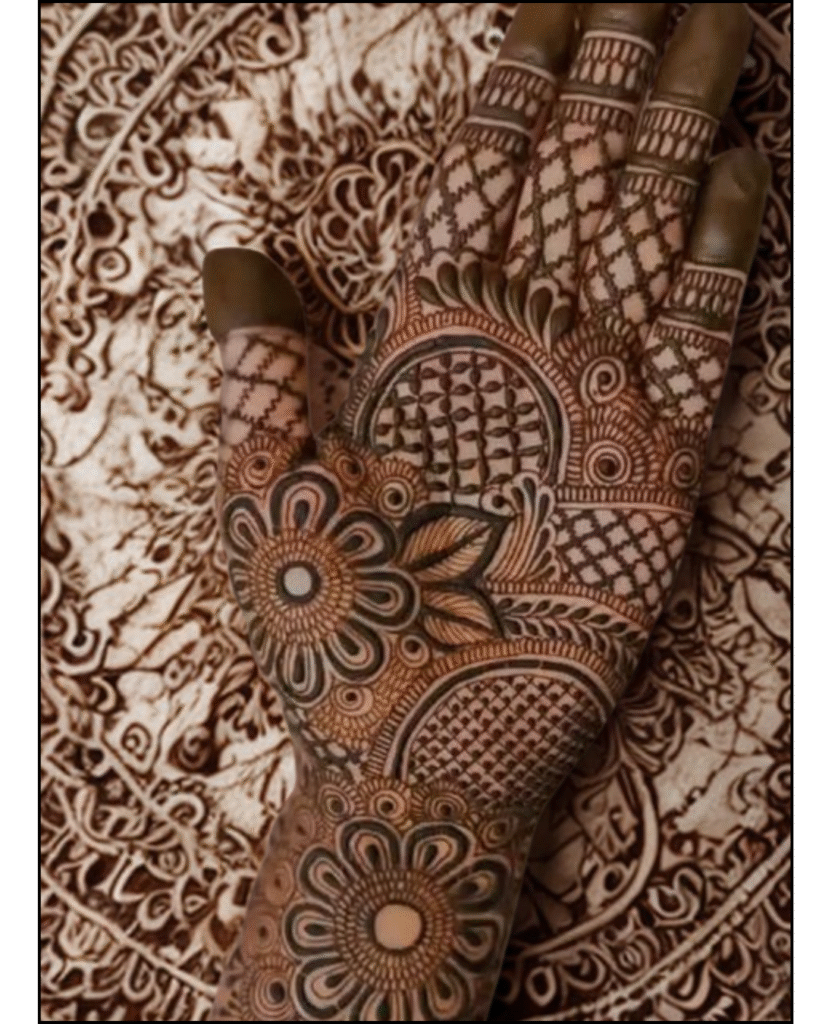
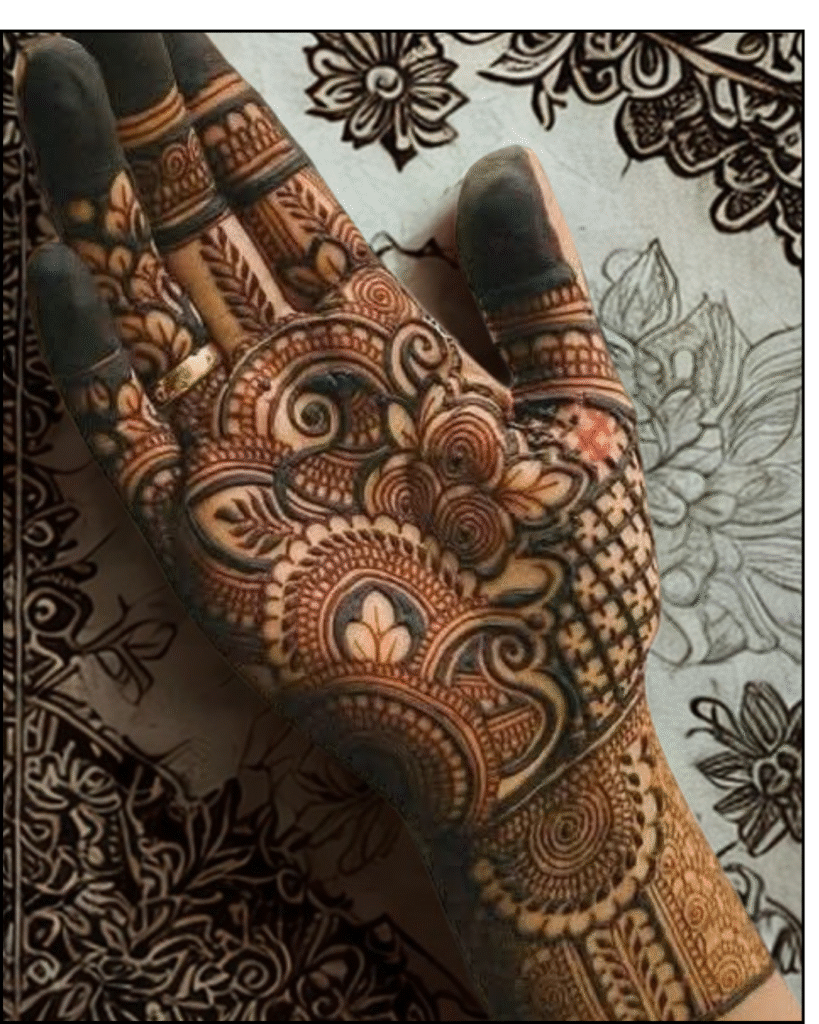
The Arabic mehndi design originated in the middle and north of Africa and was introduced to the whole world because of its elegant looks and design. The floral motifs on this mehndi design represent luck, prosperity, and joy. The Arabic designs differ significantly in terms of circular patterns and floral motifs, such as leaves and vines. Arabic Mehndi has designs of dots, dashes, and swirls. Consider the culture during festivals and celebrations. People claim that these designs possess the ability to ward off evils.
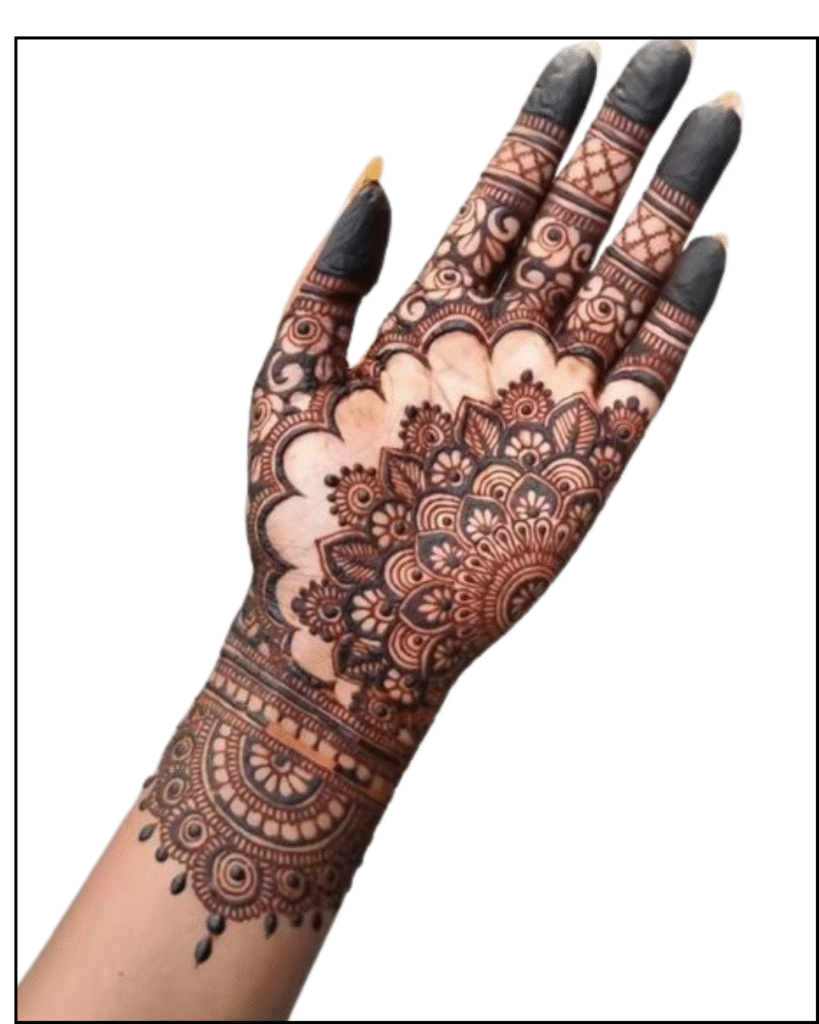
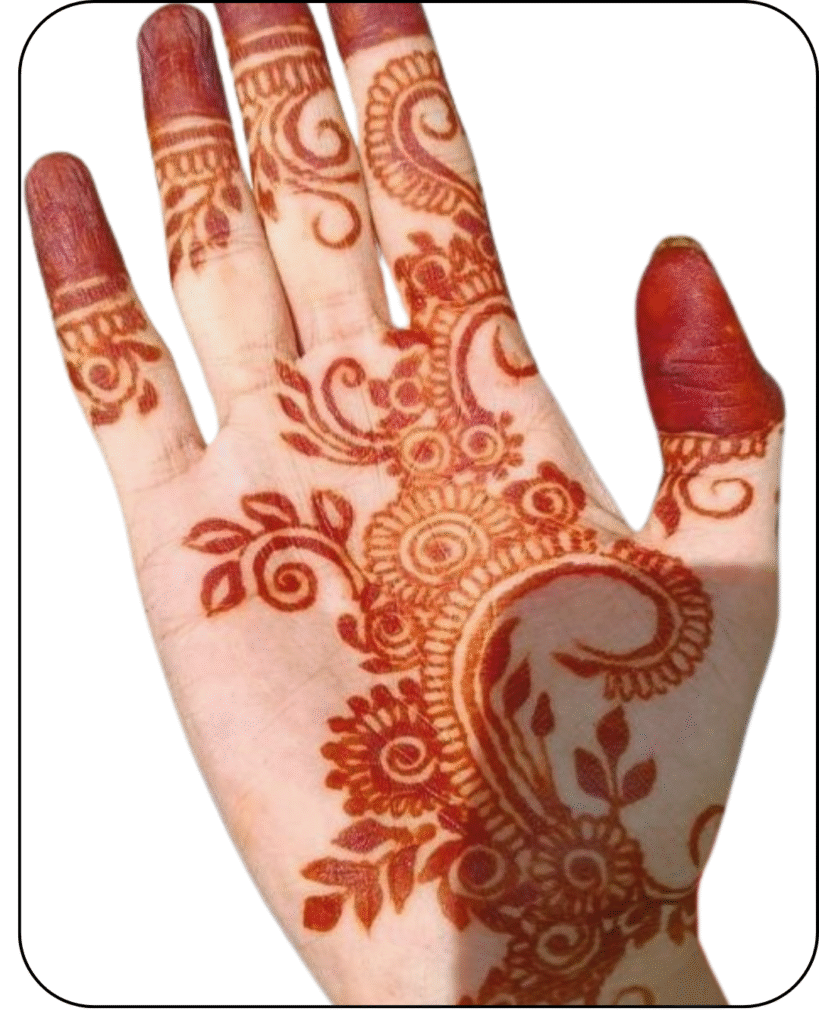
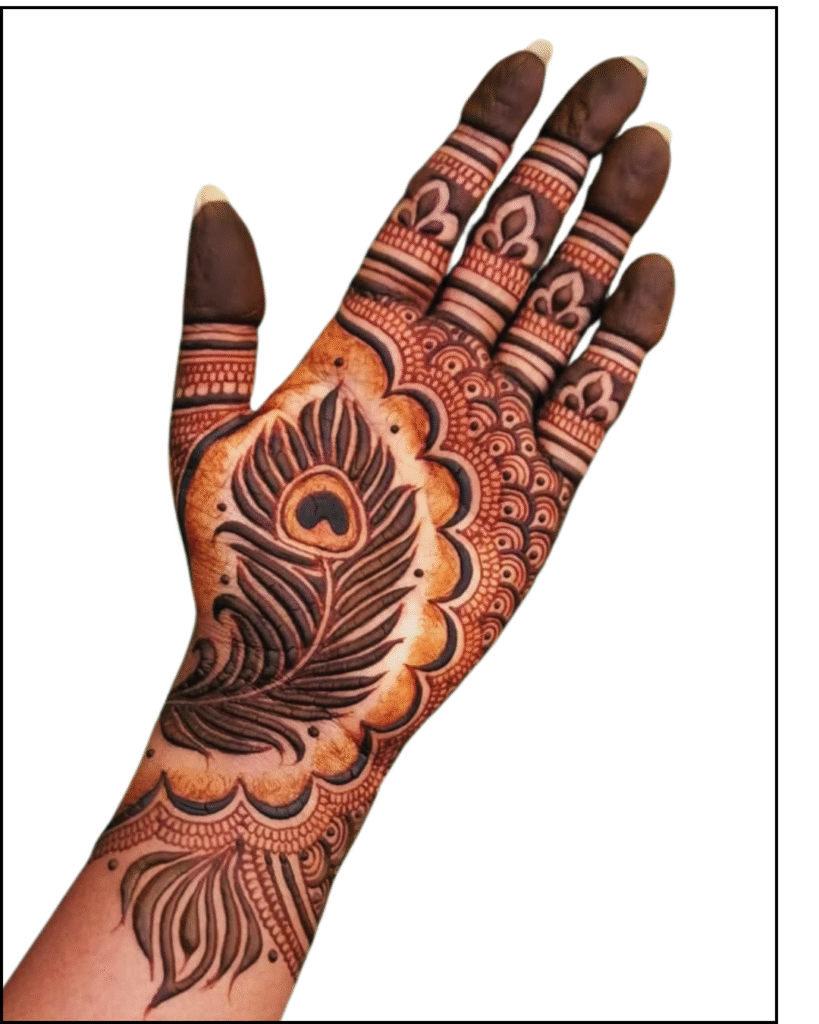
Moroccan Design of Mehndi for Front Hand
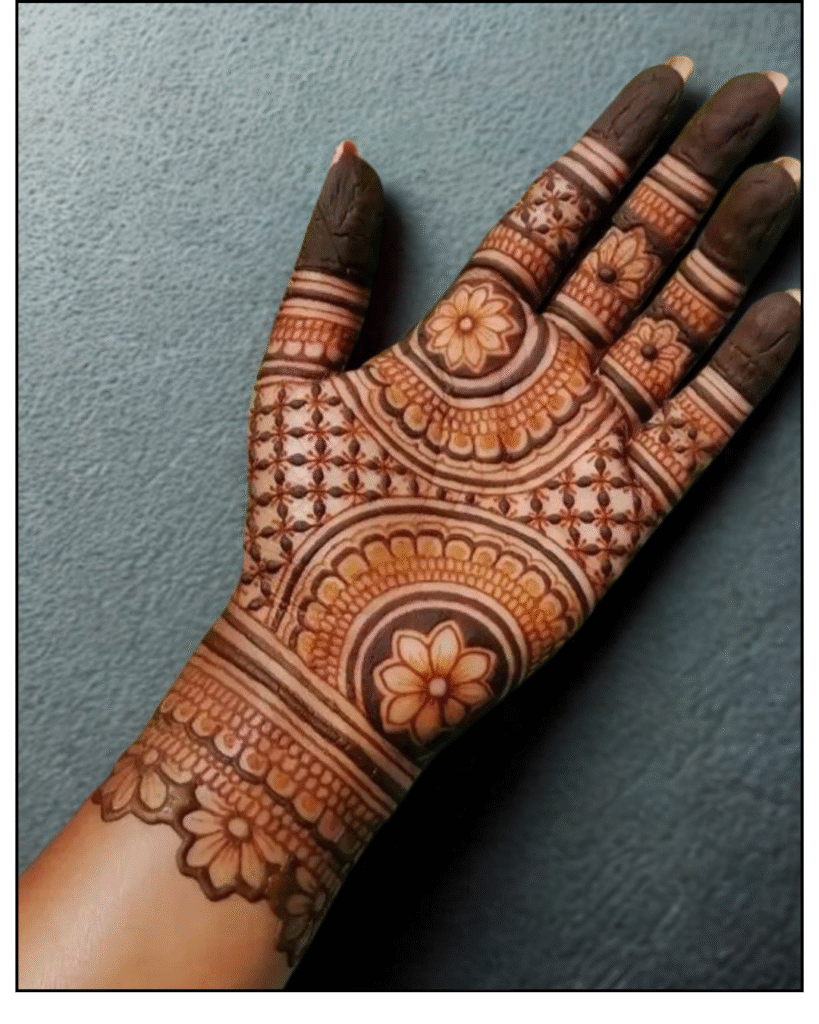
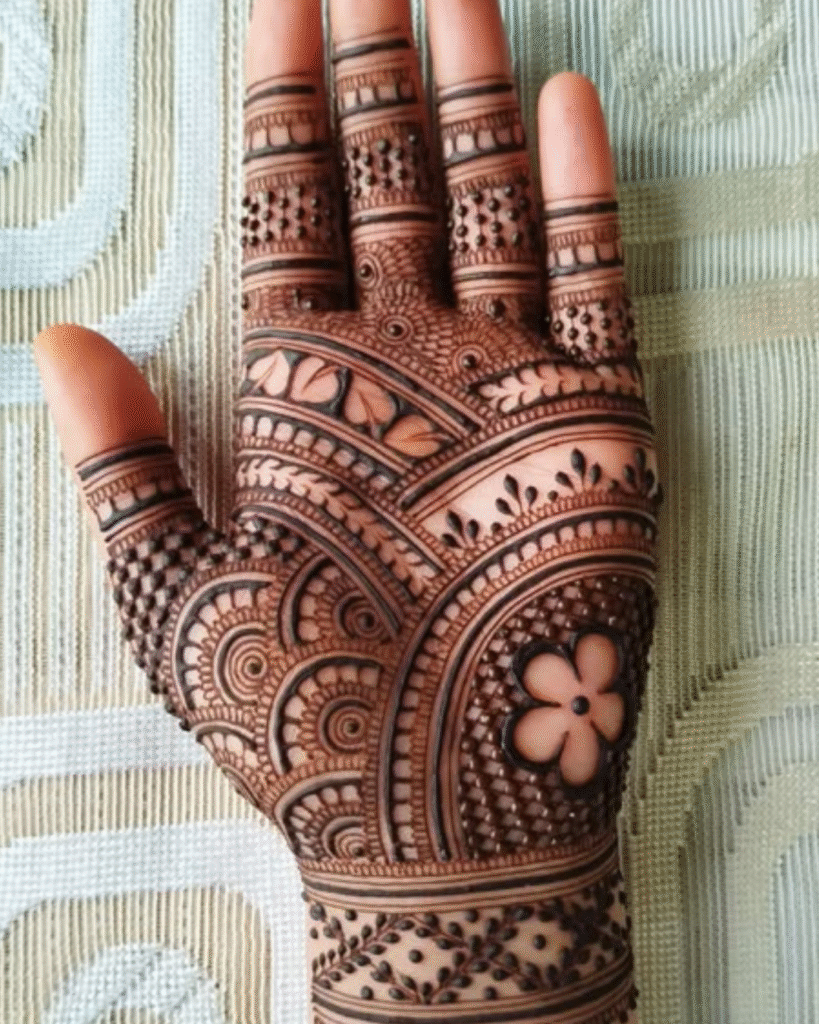
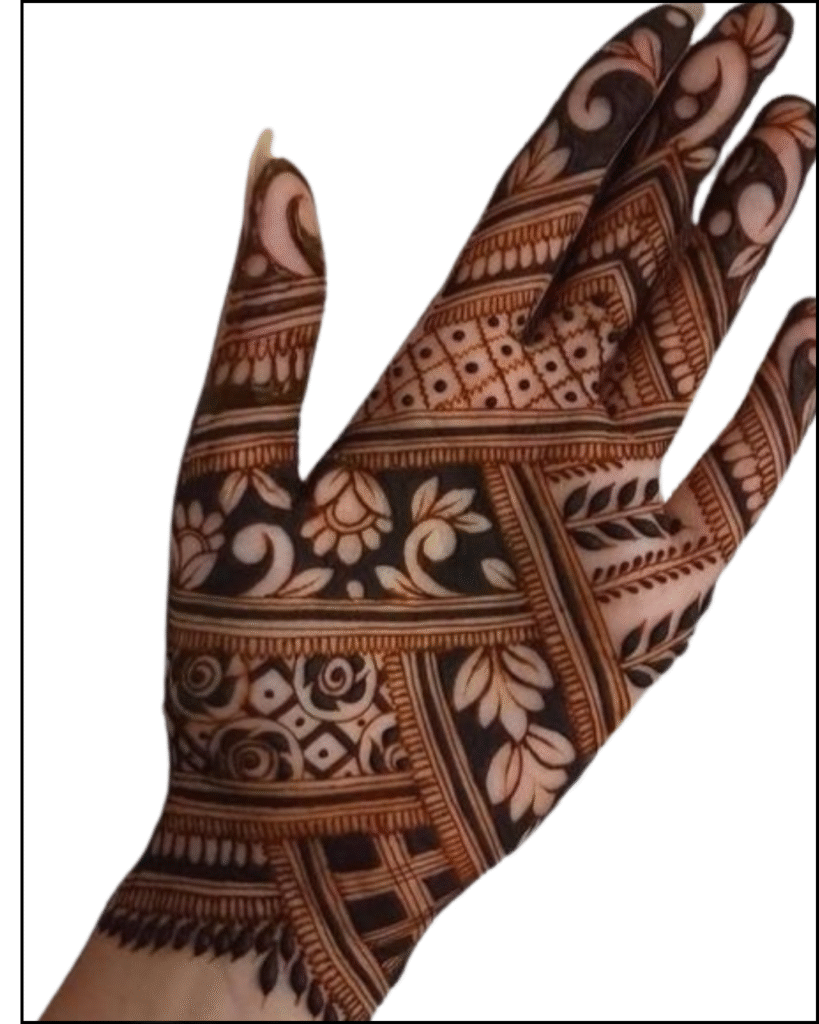
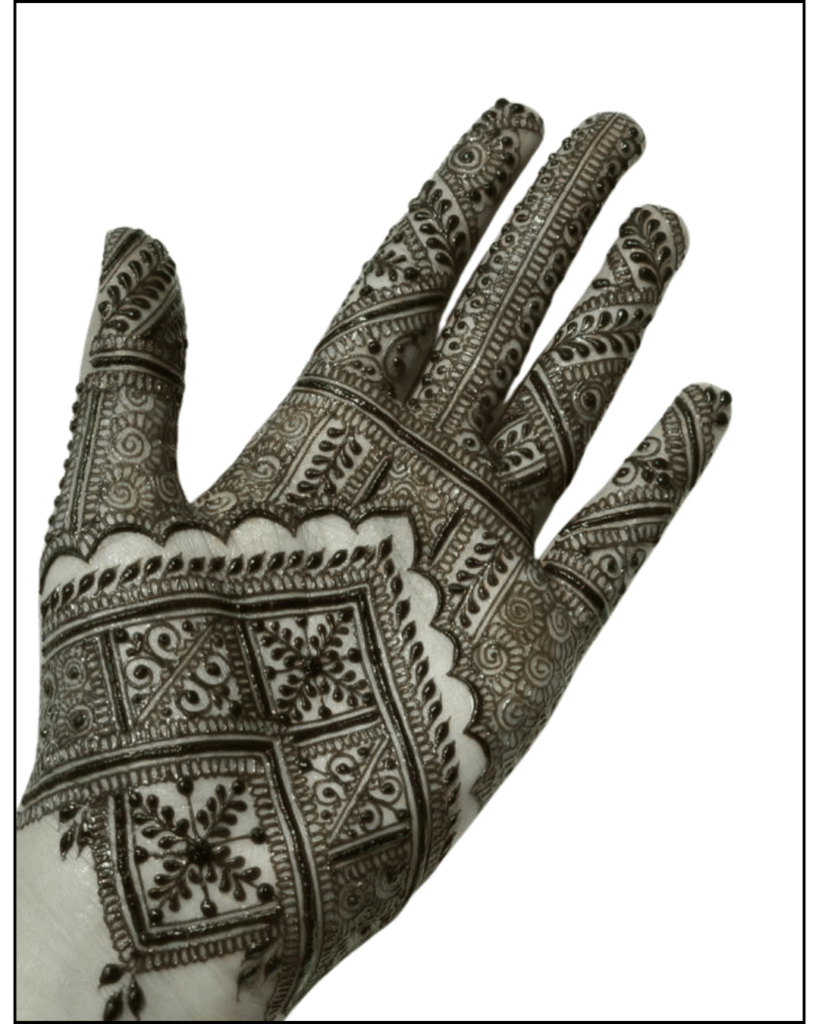
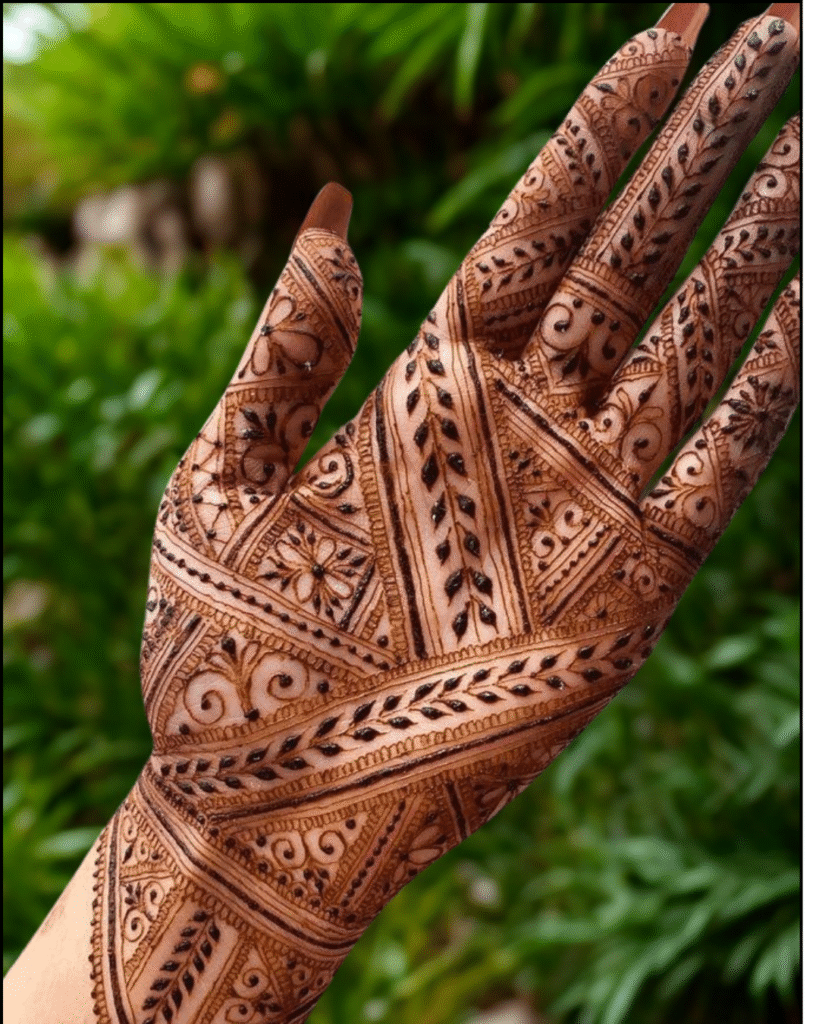
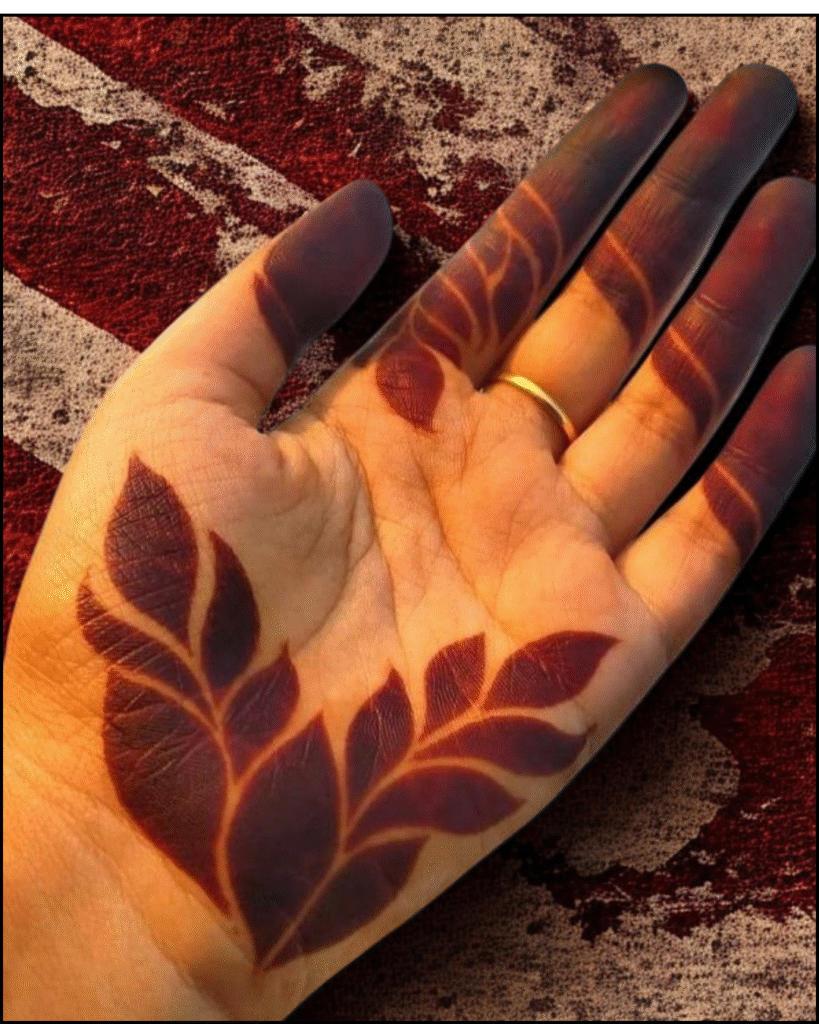
Moroccan design incorporates Arabic, Islamic artistry, and Berber art. Moroccan designs differ from other mehndi patterns, which primarily emphasize symmetry and repetition. The non-figurative pattern makes it unique and indicates spirituality and nature. Most of the patterns in these designs are diamonds, squares, and triangles, which indicate harmony and balance. Designs of maroon cover a large portion of the hands and feet; fingerlines adorn the beauty of the hands without overwhelming the design.
People from different places have embraced Moroccan designs that connect with traditional art and express beauty in a contemporary context. The Moroccan mehndi design specifies the desert roses, cactus, and geometric patterns as the major part of innovations.
Western Mehndi Design
Western mehndi is slightly different from traditional mehndi designs due to its aesthetic flexibility, which incorporates fusion styles that involve tattoo influences, geometric art, and abstract patterns. Western design mostly emphasizes personal meaning rather than cultural codes. It transforms the concept of cultural appropriation into one of appreciation. Wearing a western mehndi design is considered fashionable and erases the significance of ritual or bridal wedding mehndi occasions.
Bridal Mehndi Design
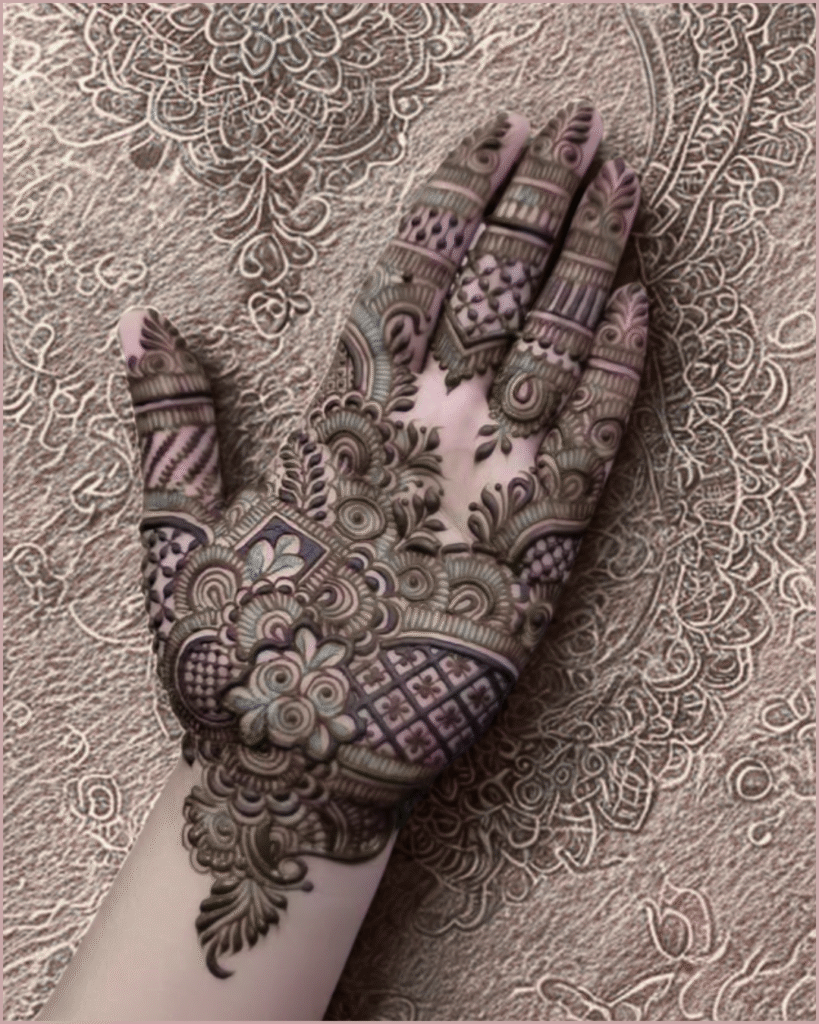
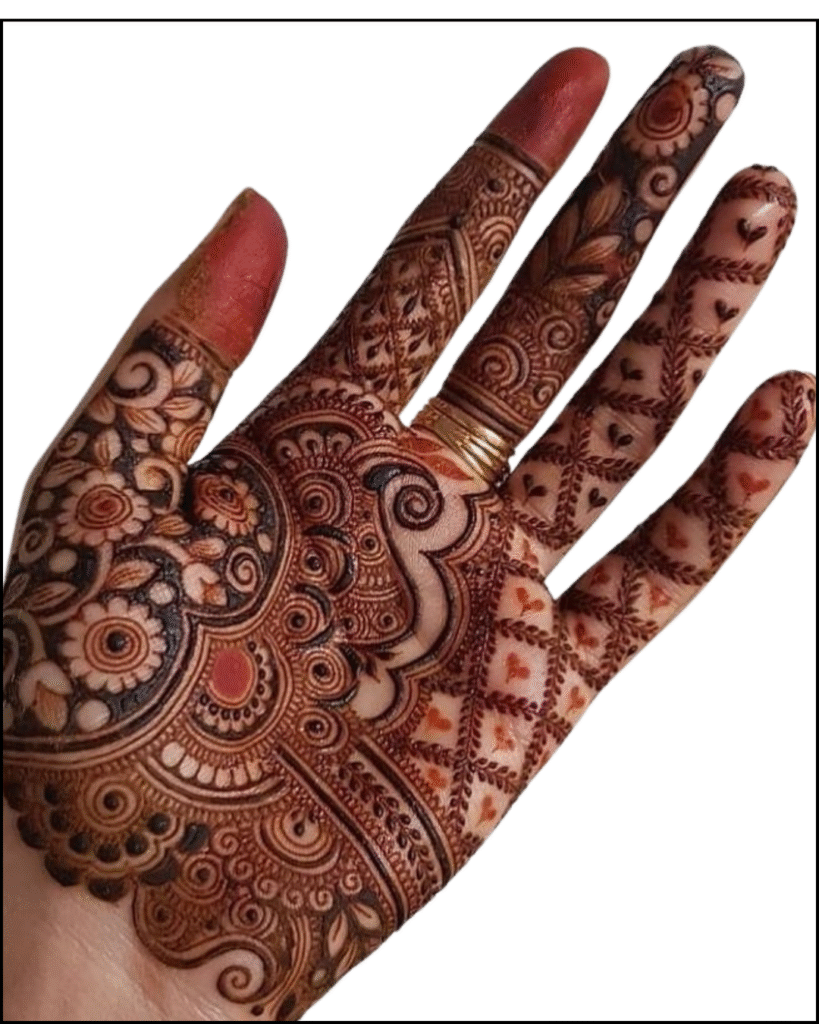
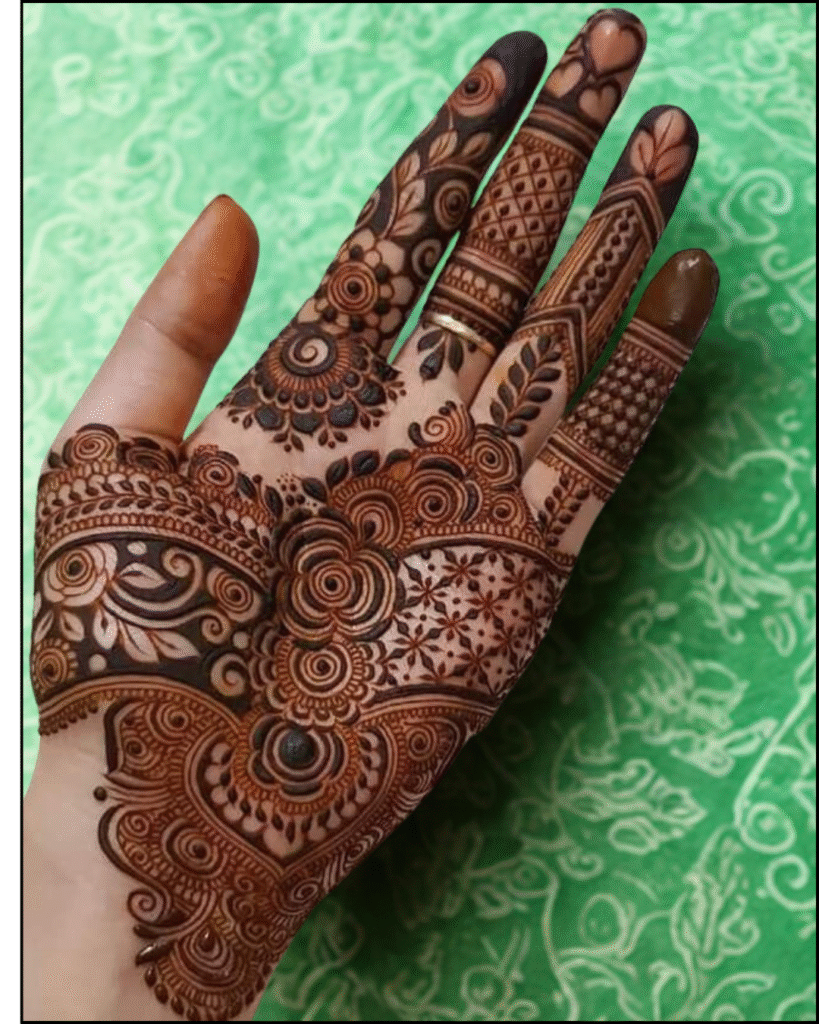
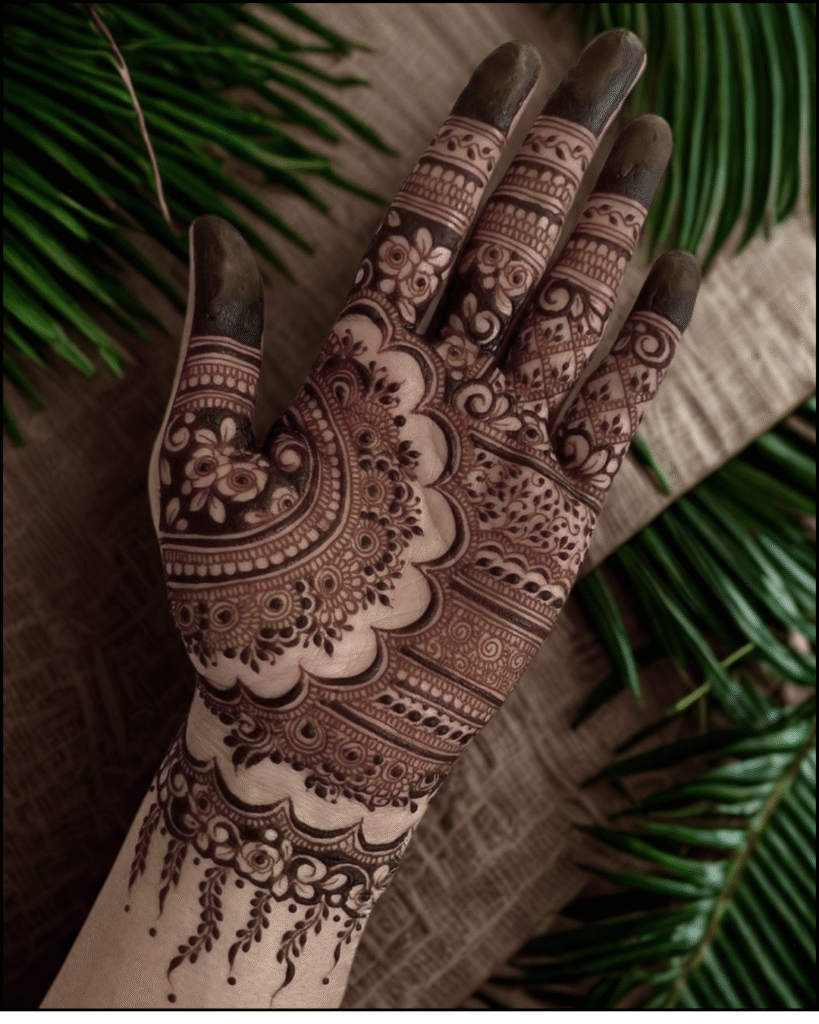
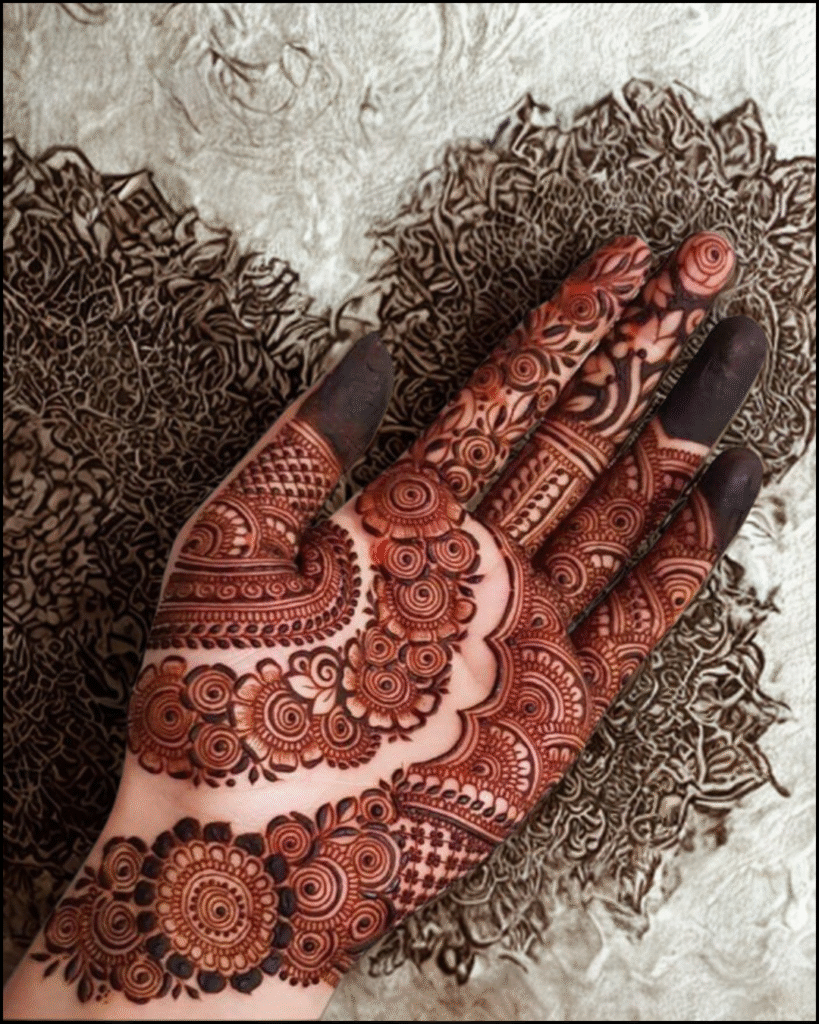
The Front hand side of bridal mehndi is a symbol of love, beauty, and a couple blossoming; the linking of its pattern motifs embodies the union of two families. The henna mehndi should intensify in color because it is a good sign about the marriage. The minimalistic bridal mehndi design is currently one of the most popular styles, featuring wrist cuffs, intimate wedding motifs, jewelry-compatible patterns, scattered designs, and themed elements. There are various elements that carry bridal layers.
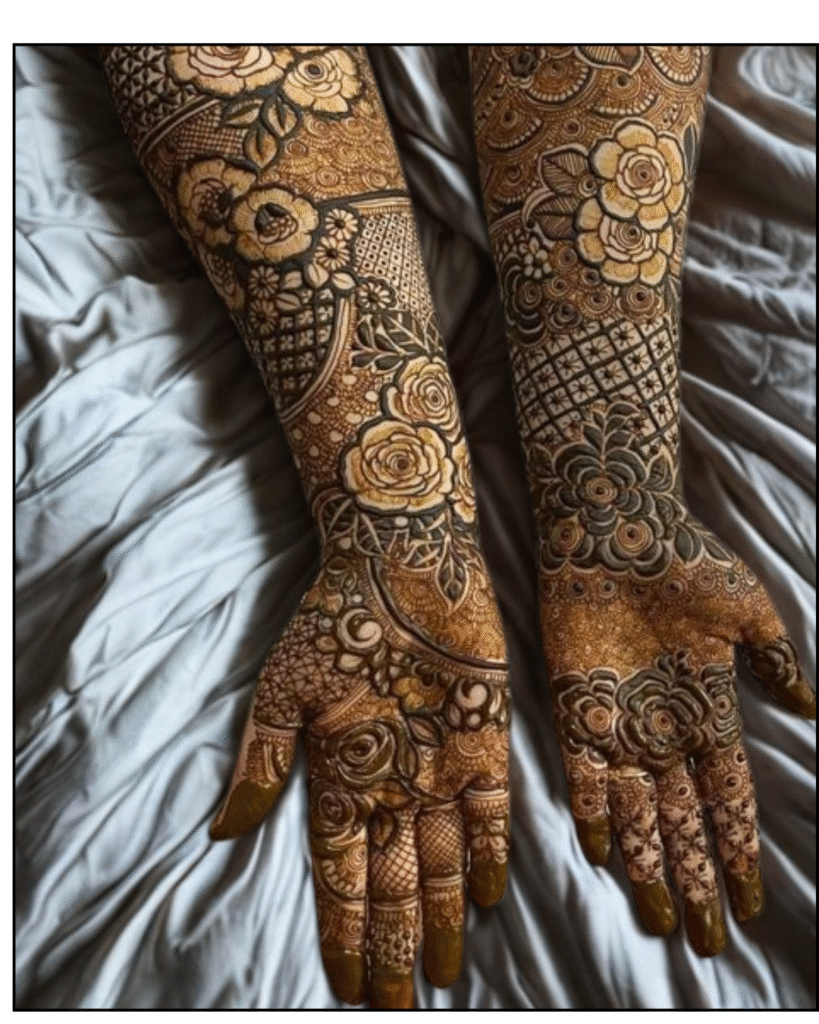
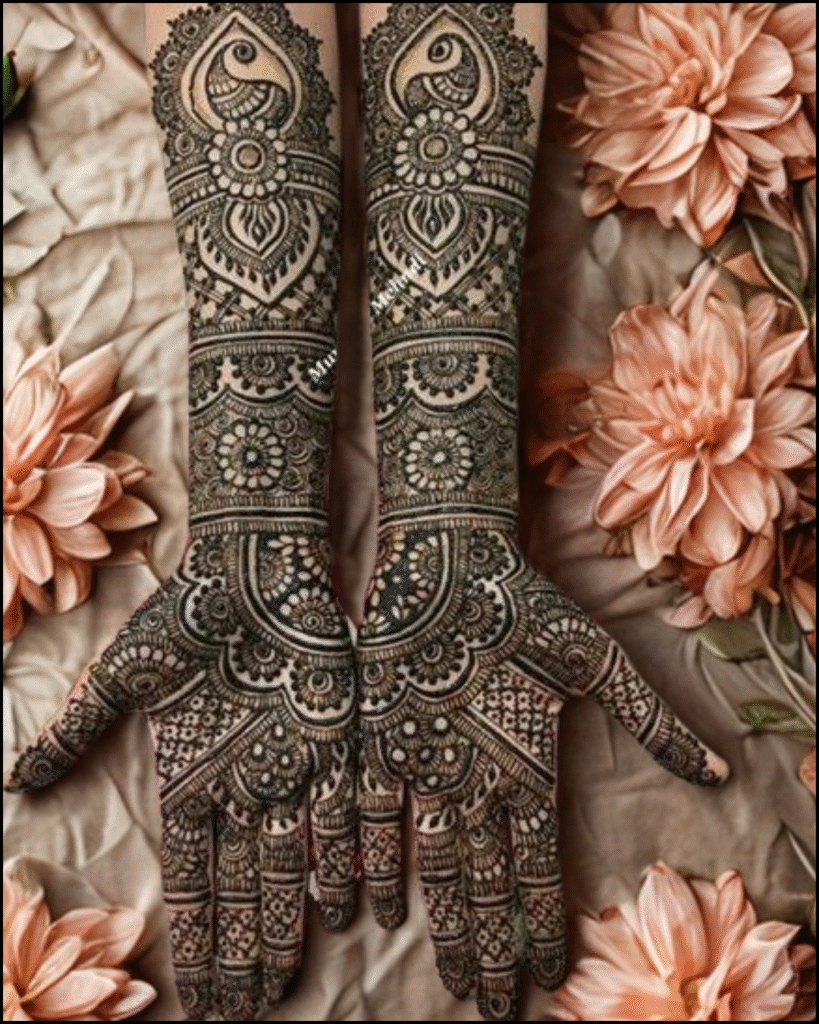
Traditional Front Hand Mehndi Design
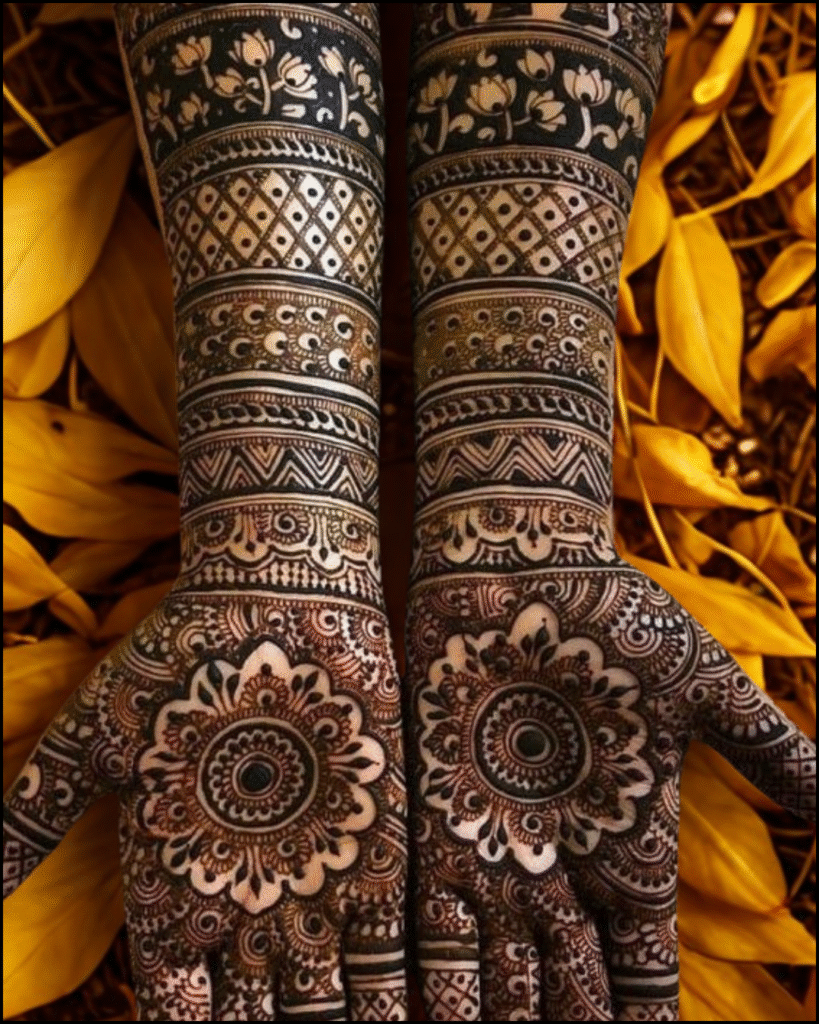
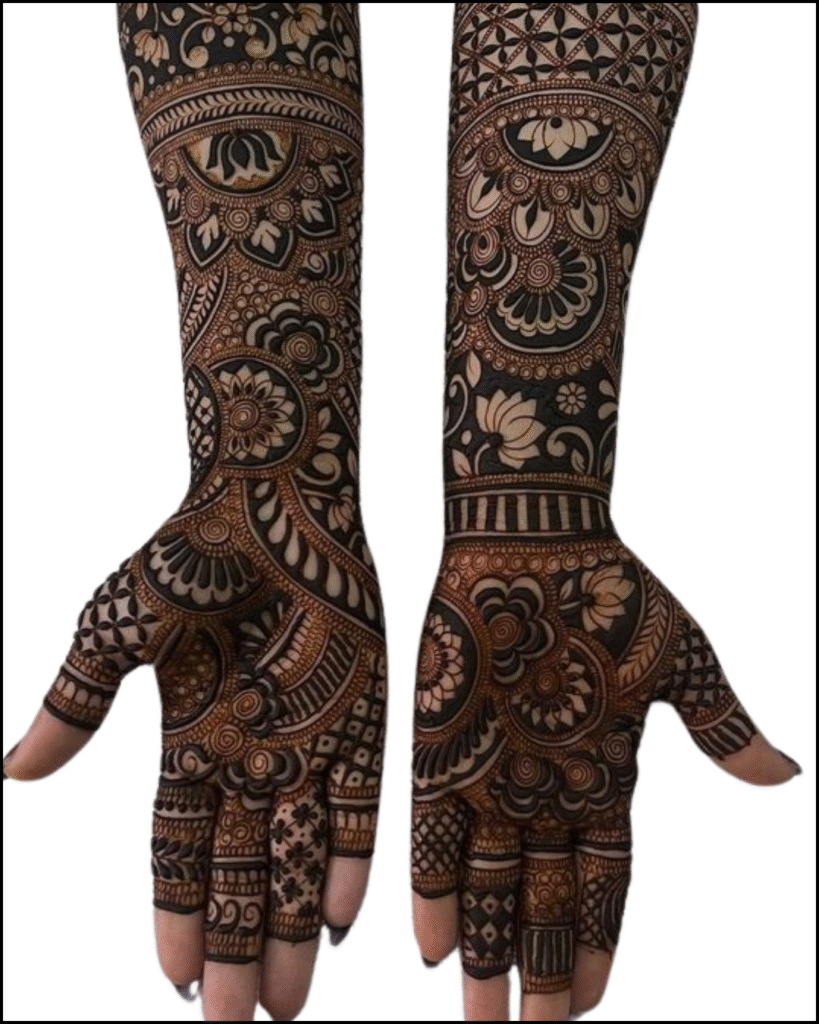
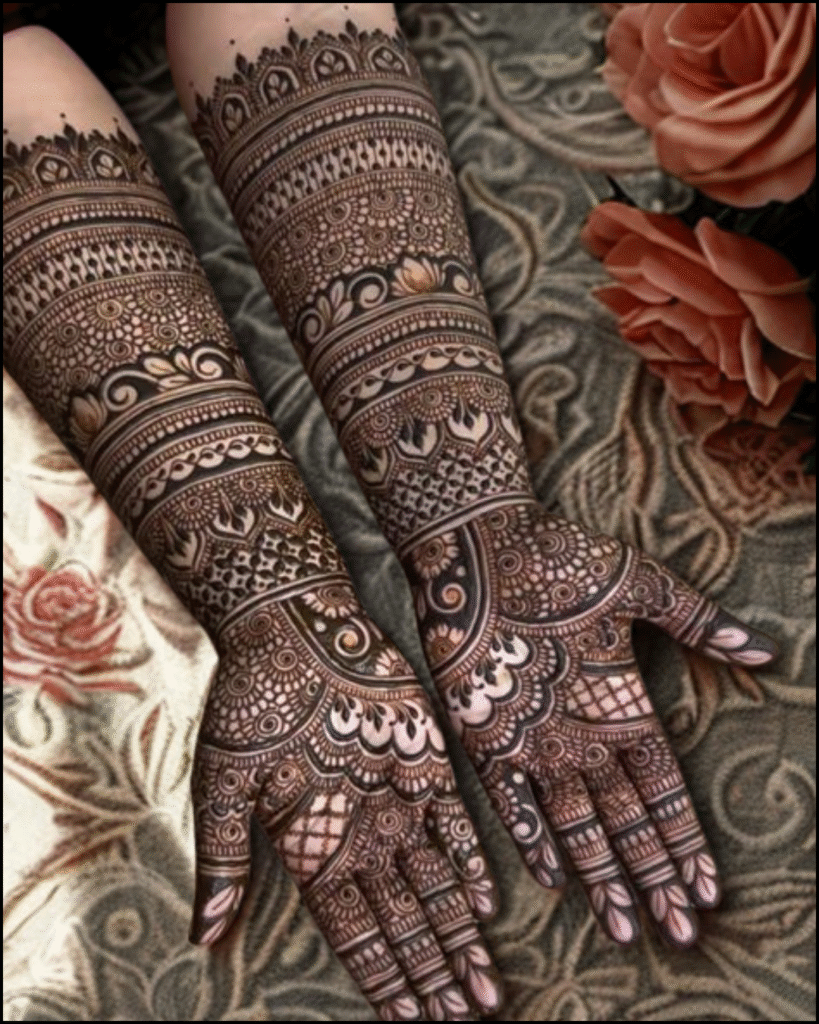
It is one of the unique and auspicious designs passed down from generation to generation, symbolizing good fortune. It represents the heritage and culture and describes people’s bonding with nature and personal preferences. From weddings From weddings and ceremonies to personal makeup, mehndi is still a beloved art form with immense cultural connection and visual appeal across all societies. It reflects the joy, celebration, and happiness associated with the occasion.
Glitter design
It is considered a bridge between contemporary aesthetics and traditional designs. It combines innovative style with a touch of sparkle. It is compatible with both relationships and festive energy. Before creating glitter mehendi, artists must possess knowledge of both modern design and traditional artistry. Different types of mehndi are adopted for different events like weddings and bridal events; the preference is “glitter maang tikka,” while for photography and festival events, there would be a different design. The glitter design gives the spark of cultural authenticity.
Simple Portrait Mehndi Design
The beauty of simple portrait mehndi design is that it is so captivating and alluring by nature; it is not only physical resemblance, it is also a personal connection as well between the grooms and brides. It also captures the essence of subjects.
Leave a Reply